updated health tips and articles

Showing posts with label diy. Show all posts

12/13/2008

11 Tactics for Lasting Weight Loss

Lasting weight loss is more about small, sustainable adjustments to how you live and eat than it is following a rigorous, intense, short-term program that completely changes all aspects of your diet. The latter might deliver dramatic losses in the short term, but we all know how quickly the pounds can return once we get back into our everyday habits. Below are a handful of tips that can give your weight loss efforts the nudge they need to succeed:


1. Forget weight. Too many people focus on pounds when it comes to measuring weight loss. Instead, focus on better measures: how your energy levels are doing, how your joints are feeling, how your attitude is faring, how your clothes are fitting, how you look in the mirror. Sure, your weight is the clearest measurement of your progress, but your goal shouldn't be a number: It should be measured by your health and happiness. If your joints are telling you your weight-loss efforts are helping, then there's no better measurement you could have.


2. Develop movement habits. Research shows that people who fidget burn 500 or more extra calories in a day. Learn the lesson: all extra movements burn calories. So develop movement habits. Some examples: Stand when on the phone; leave the room during TV commercials; walk 10 minutes after dinner; tap your foot to the music. Develop one or two such habits, and you'll burn many more calories.


3. Drink water. You've heard the health benefits of water just so many times. So finally do it: Get yourself a big, interesting, friendly cup or Mason jar or travel mug, fill it up after breakfast, and keep it with you everywhere. Refill, refill, refill. At the end of the day, wash it out and have it ready for tomorrow. Nothing will satiate your hunger as well as plentiful cool water.


4. Entertain your mouth. Sometimes all it takes to halt the snacking is a piece of gum, a slow-to-dissolve piece of candy, a toothpick, even an olive pit. While society looks down on overt mouth habits in public, if you can be subtle, there's absolutely nothing wrong with an hour-long engagement with a piece of sugarless gum, particularly if it keeps you from snacking.


5. Shop the perimeter. Big grocery stores are laid out in predictable ways. Usually, the healthiest, freshest foods are around the perimeter: produce, meats, seafood, dairy, bakery. The danger is in the aisles, with its cookies, potato chips, canned foods, boxed foods, ice creams, and such. Your food-shopping goal: Stay only along the store perimeter. Just once a month, delve into the aisles for necessary staples.


6. Spice up your meals. Add zest to food with cayenne and jalape?o peppers, ginger, Tabasco sauce, mustard, and other spices. Studies find that zingier foods have thermogenic properties that boost your metabolism's fat-burning ability -- by as much as 25 percent, in some reports.


7. Sleep better. It sounds like quackery, but you really can encourage weight loss by sleeping. Research into sleep and hormone function finds that your metabolism rises and you burn calories more efficiently when you're well rested.


8. Nix Nickelodeon. Avoid the TV programs you enjoy with your kids or grandkids -- or tune out the commercials. Children's programming contains much more junk food advertising than adult shows: 2,800 calories per hour, on average, according to researchers at the University of California, Davis. And studies find that watching less food on the tube translates to fewer fatty, sweet products in pantries.


9. Top your tank before exercise. Have a well-balanced carbohydrate/protein snack such as half an apple with peanut butter or crackers with low-fat cheese an hour or more before a workout. The carbs will keep energy high while you exercise, and the protein will slow your digestion, giving you stamina for sustained effort.


10. Skip the wine. If you sip a glass of wine or beer with meals, think about a prohibition diet. The drink isn't bad per se, but your body tends to give priority to processing alcohol, making calories from the food you eat more likely to be stored as fat, according to researchers at Pennsylvania State University.


11. Do the ring test. Should you cut back your portions of salt? Even if you don't have high blood pressure, try this test: Slip a ring on your finger. Now eat salty food, wait a few hours, and try to take the ring off. If sliding the ring is more difficult now than earlier, you're probably among the many people (mainly women) for whom salt causes bloat -- potentially grounds for several extra pounds, according to researchers at the University of Maryland. Check food labels for sodium and cut your intake to feel lighter on your feet.

Source: www.rd.com

11/29/2008

Reduce Your Fatigue

Fatigue is a common, but nonspecific, sensation of generalized weakness or exhaustion. It is extreme tiredness, often involving muscle weakness, that can result in difficulty performing tasks It can be mental, physical or both. Fatigue is normal after heavy physical exertion (like running six miles) or after a busy, tiring day, but it is not "normal" for someone to feel tired or a loss of energy with little activity or after adequate rest.

The symptoms of fatigue may last a long time or only a short time. They may strike at any time or may be predictable. There are things you can do to help reduce the effects of fatigue. Knowing how it affects you will help you handle it better. Fatigue affects everyone differently, vary from person to person. For instance, it may make you feel:

- Very tired with no energy. All you want to do is sleep.

- A loss of control. Sometimes fatigue may make you feel powerless. You may feel you have little ability to manage life.

- A loss of attention. Decisions become harder. It's as if your mind is tired, too.

- Irritable. It may be difficult to be pleasant or happy when you're persistently tired. This may put a tension on your relationships.

- Increased pain. Particularly for people who experience fatigue associated with their arthritis or lupus.

You can take steps to reduce fatigue and enhance your energy. Use the following strategies:

• Control stress and lighten your load. Relaxation techniques like meditation, self-hypnosis, yoga, and tai chi are effective in stress-reduction. Prioritize your list of “must-do” activities.

• Exercise and enjoy the outdoors. Exercise make you sleep more soundly. It also makes your body discharge hormones that can make you feel energized. You can take a walk, gardening, hiking etc. they can help restore body and soul.

• Eat for energy and don't smoke. Small meals every few hours can reduce your view of fatigue by ensuring supply of nutrients to the brain. Avoid nicotine, because it speeds the heart rate and stimulates wakefulness, making it harder to sleep.

However, the underlying cause of persistent fatigue can be hard to identify, and that doesn’t mean the fatigue is unreal. Often fatigue indicates something wrong physically or emotionally. Fatigue is a frequent and troubling symptom of many types of arthritis and other rheumatic diseases, such as lupus. Illnesses associated with fatigue are anemia, heart disease, underactive thyroid, joint and muscle pain, overextending self, poor sleep, lack of physical activity and depression, those a few of the many causes. If your fatigue is of new beginning, getting worse, or interferes with activities of daily living, it would be helpful to see a physician to diagnose and treat the source of your fatigue.

11/17/2008

Treatment for Small Wound

When you cut your finger, what to do?

The usual treatment for small wounds, including finger cut, is:

1. Wash the area thoroughly

2. Apply antibiotic salve

3. Cover with a bandaid or other bandage.

The salve should be reapplied three times a day.

However, small wound may started out as a simple paper cut, but in fact they can be quite serious. So it is best if you see a doctor. This is more urgent if the condition of your finger is gradually becoming red, swollen, infected. Anti-biotic salve wouldn’t work and soaking it in regular salt warm water doesn’t help either. Don’t wait, call the doctor.

11/13/2008

How to Choose Fresh Fruit


Eating the proper amounts and the right kinds of fruits is important to healthy living. Nutritionists recommend eating a minimum of five one cup servings of each per day. To make sure you select healthy fruits and avoid that of questionable quality, here are a few basic tips in your selection.

Though seems so simple, buying fruit can be complex. That's why if you look closely at most any grocery store produce section you'll notice people squeezing, sniffing and examining their fruit very carefully.

The first rule to know is that the fresher the produce the better the quality. The best place to find the freshest and best selection of produce is at farmer's markets. Most farmers harvest their produce the day before or the day of the market. They also usually use minimal pesticides. This fact in itself provides you with better health while protecting the environment.

If you are not fortunate enough to have access to a farmer's market, just go to the grocery store and take care to pick only the healthiest produce. You need to use this grocery store produce within a few days. Try to locate a grocery store that has frequent deliveries of produce. Avoid grocery stores that have an extremely cold produce section. This makes it hard to check the texture and scent of produce. Convenience and corner stores more often than not have produce of poor quality due to the fact that it is not delivered fresh daily or it is not properly stored. Here is some of those fruits.

Bananas. Unlike most other fruits, bananas develop their best eating quality after they are harvested. This allows bananas to be transported great distances. Bananas are sensitive to cool temperatures and will be injured in temperatures below 55 F. For this reason, they should never be kept in the freezer. The ideal temperature for ripening bananas is between 60 and 70 F. Higher temperatures cause them to ripen too quickly.

Look for bananas which are firm, bright, and free from bruises or other injury. The state of ripeness is indicated by skin color. Best eating quality has been gained when the solid yellow color is specked with brown. At this time, the flesh is mellow and the flavor is fully developed. Bananas with green tips or with no yellow color have not developed their full flavor potential. Avoid bruised fruit (indicating rapid deterioration and waste); discolored skins (a sign of decay); a dull, grayish, aged appearance (showing that the bananas have been exposed to cold and will not ripen properly).

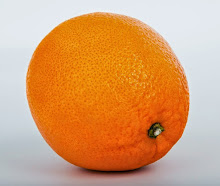
Oranges: When looking for a ripe orange, don't worry about color. Oranges with green or brown patches can be just as ripe (and some very orange oranges are even injected with food coloring to get that bright color). For the best flavor, seek for a firm, heavy orange with a thin, smooth skin.

The freshness of a bunch of grapes can be seen in the stem. If the stem is still green all the way to the grapes then their harvest was recent. A bunch with dried stems and soft, wrinkled or leaking grapes is decaying. Grapes do not ripen after harvest and should be served or freezed in an open container.

Cantaloupe: Be choosy when picking a cantaloupe because they're often picked while still unripe so they're not crushed during transportation. You can spot an unripe cantaloupe by its green tones. Instead, look for a cream-colored cantaloupe (with no green patches) that has a little soft end (the end opposite the stem). Also, give it a sniff and choose one that smells little sweet (but not overly so, which could mean it's too ripe).

Mangoes: Finding a ripe mango can be tricky because they can be yellow, red, green or orange in color. Those that are ready to eat will usually have a yellow hue and should be slightly soft to the touch. Ripe mangoes also have a sweet aroma near the stem end.

Berries should be brightly colored, plump and fragrant. To be sure the batch is good make sure the container hasn’t been stained or damp. Berries should not be handled much and only washed if necessary as that speeds mold. Berries have a very short shelf-life and should be consumed or refrigerated. They are best kept in layers on paper towels, covered by a moist paper towel or in an open paper bag. The smaller the size, the better the flavor.

Apples: A ripe apple will be firm and deeply colored. Apples should smell sweet and have strong, smooth and shiny skin. Apples can be stored in a freezer for some weeks. Depending on the variety, there should also be a slight rosy tone (such as with yellow and green apples). If you want to find apples with better flavor, buy them during apple season, which spans from late summer to early winter.

Papaya: Papayas with a red-orange skin are ripe and ready to eat. Those with yellow patches are still good, but will take a few days to ripen. Avoid papayas that are green or very hard, as they're not fully ripe and won't have a sweet flavor. May this information useful.


11/11/2008

Carrot Juice

Popeye the sailor eat spinach. Bugs Bunny eat carrot, and he played good performance too. But we don’t have to be bunny to get health benefits from this nice root . Most of us have heard that eating carrot will improve our health.

There are some facts on carrot. It contains rich beta-carotene, which help our body create vitamin A supply. And this easily absorbed by our body. You may know that vitamin A helps maintain healthy vision (especially night vision). Carrot may help prevent cataracts and increase the immune system too. They reduce the risk of some types of cancer, function as natural solvent for any ulcer. They keep your bone and teeth structure in strong condition. Carrot taste sweet too.

Instead of buying the bottled one, it would be better to make your own raw carrot juice. No preservative, no strange additives. Making your own raw carrot juice will make it feel that the gift is presented fresh from the nature.

If you experience some skin 'discoloration' after drinking such juice, be sure, it is not a bad news. Such phenomenon is indicating that your body is getting cleansing from within.

When preparing carrot juice, try to buy organic grown carrots. Remember, carrot skin and its surfaces are containing valuable nutrition, so you don’t have to peel it.

If the taste is not much acceptable, you can blend it with other fruits and vegetables you like. This is one of the great recipes from The Kiripalu Cookbook: Gourmet Vegetarian Recipes, by Atma Jo Ann Levitt (Berkshire House Publishers).


Carrot, Celery and Apple Juice

Preparation time 10 minutes

Makes 2 cups juice


Ingredients: 5 medium carrots, 3 stalks celery, 3 small apples, cored.

Instruction:Wash all ingredients well, chop and blend.

Drink immediately the juice as it is still in fresh and best condition ;)